

How to Choose Therapist-Approved Sensory Tools for Children with Sensory Needs
Struggling to find the right sensory tools for your child? You’re not alone. Many parents feel overwhelmed by the number of options available. In this guide, you’ll learn how to choose safe, therapist-approved sensory tools that support focus, calm, and development
Choosing the right sensory tools can feel overwhelming when every product promises to help your child calm down and focus. But not all sensory tools are created equal—some don’t meet the real needs therapists look for. In this post you’ll find a simple, therapist-approved framework to pick safe and effective sensory tools that truly support your child’s growth. Let’s explore trusted options designed for families and professionals in the UAE.
Understanding Sensory Needs

Choosing the right sensory tools starts with understanding your child’s needs. Every child experiences the world differently, and these differences can affect how they feel, behave, and learn.
Many children are sensitive to things like sound, light, movement, or touch. For example, a noisy classroom may feel overwhelming, making it harder for a child to focus or participate. Other children may seek more movement or deep pressure to feel calm and organized.
Sensory challenges are more common than many people think. If your child struggles with focus, transitions, or emotional regulation, you are not alone.
The first step is simple observation. Notice what helps your child feel calm and what seems to overwhelm them. Over time, patterns will begin to appear. This understanding helps you choose tools that truly support your child’s daily needs.
Why Therapist-Approved Sensory Tools Matter
Not all sensory tools are created the same. Therapist-approved tools are selected with purpose. They are designed to support regulation, attention, and development in a safe and effective way.
For example, weighted tools provide deep pressure input, which can help children feel more calm, secure, and focused. This can make everyday routines—like homework, mealtime, or transitions—much smoother.
Choosing therapist-approved tools reduces guesswork. Instead of trying random solutions, you are using tools based on real therapeutic strategies.
For many families, this brings peace of mind. You can feel confident knowing you are using tools that truly support your child’s growth.
How Sensory Tools Support Child Development
Sensory tools play an important role in a child’s development. When children feel regulated, they are better able to engage with the world around them.
With the right support, children can improve their ability to:
- focus and pay attention
- manage emotions
- follow directions
- participate in daily activities
For example, a child who struggles to sit still may benefit from a movement-based tool or fidget. This can help improve attention, participation, and confidence throughout the day.
Sensory tools are not just helpful—they are a key part of supporting long-term development.
When Should You Start Using Sensory Tools?
The earlier you introduce the right tools, the better. Early support helps children build positive habits and coping strategies that carry into school, home, and social environments.
Waiting too long can make it harder for children to develop these skills. By providing support early, you are setting your child up for success.
Choosing the Right Tools for Your Child
When selecting sensory tools, it’s important to focus on your child’s specific needs. There is no one-size-fits-all solution.
Some children may benefit from:
- weighted tools for calming and focus
- movement tools like swings for regulation
- fidgets to support attention
- calming spaces to reduce overwhelm
The goal is not to “fix” behavior, but to support your child in feeling more calm, organized, and confident.
Supporting Your Child with Confidence
Finding the right sensory tools can feel overwhelming at first, but it doesn’t have to be. With the right guidance and a clear understanding of your child’s needs, you can make confident decisions.
At Made2Motivate Therapy Supplies, we focus on providing therapist-approved tools that are designed to support real-life challenges—at home, in school, and in therapy settings.
When children feel supported, they are better able to grow, learn, and thrive.
Choosing the Right Tools

Choosing the right sensory tools can feel overwhelming, especially with so many options available. The key is to focus on your child’s unique needs and choose tools that are safe, effective, and appropriate for their stage of development.
How to Identify Your Child’s Sensory Needs
Every child processes sensory input differently. Understanding your child’s sensory needs is the first step in choosing the right tools.
Some children may feel overwhelmed by:
- loud noises
- bright lights
- busy environments
Others may seek out:
- movement (jumping, swinging)
- deep pressure (tight hugs, weighted items)
- touch or textures
Pay attention to your child’s behavior throughout the day. Do they avoid certain situations? Do they constantly seek movement or struggle to sit still?
You can also involve your child in this process. Ask simple questions like:
👉 “Do you like this, or is it too much?”
This helps you better understand what supports them.
There is no one-size-fits-all solution. Each child has different needs, and choosing tools based on those needs leads to better results.
Choosing Safe and Effective Sensory Tools
When selecting sensory tools, safety and effectiveness should always come first.
Look for tools that are:
- therapist-approved
- made from safe, non-toxic materials
- durable for daily use
For example, weighted products should provide calming pressure without being too heavy. The right weight can help children feel more secure and focused.
It’s also helpful to:
- read product reviews
- choose trusted brands
- follow professional recommendations
This reduces guesswork and helps you choose tools that truly support your child.
When tools are both safe and effective, you can feel confident in your choices.
Selecting Age-Appropriate Sensory Tools
Choosing the right tool also depends on your child’s age and development.
Younger children may benefit from:
- soft play items
- simple movement tools
- bright, engaging materials
Older children may need:
- fidget tools for focus
- more structured sensory input
- tools that support attention in school settings
For example, a sensory swing may help a younger child explore movement and build body awareness. An older child may benefit more from a fidget tool to support focus during homework or class.
As your child grows, their needs will change. Adjusting tools over time helps ensure they continue to feel supported.
Why the Right Sensory Tools Make a Difference
When sensory tools match your child’s needs, they can:
- improve focus and attention
- support emotional regulation
- make daily routines easier
- increase confidence and independence
The goal is not to change your child, but to support them in feeling more calm, organized, and ready to engage.
Supporting Your Child with the Right Tools
Choosing sensory tools does not have to be complicated. By understanding your child’s needs, focusing on safety, and selecting age-appropriate options, you can make confident decisions.
Therapist-informed tools can provide meaningful support at home, in school, and in therapy settings.
With the right support, children are better able to learn, grow, and thrive.
Selecting the appropriate tools involves understanding specific needs and evaluating options carefully. Let's explore how to make the best choices for your child.
Recommended Therapist-Approved Tools
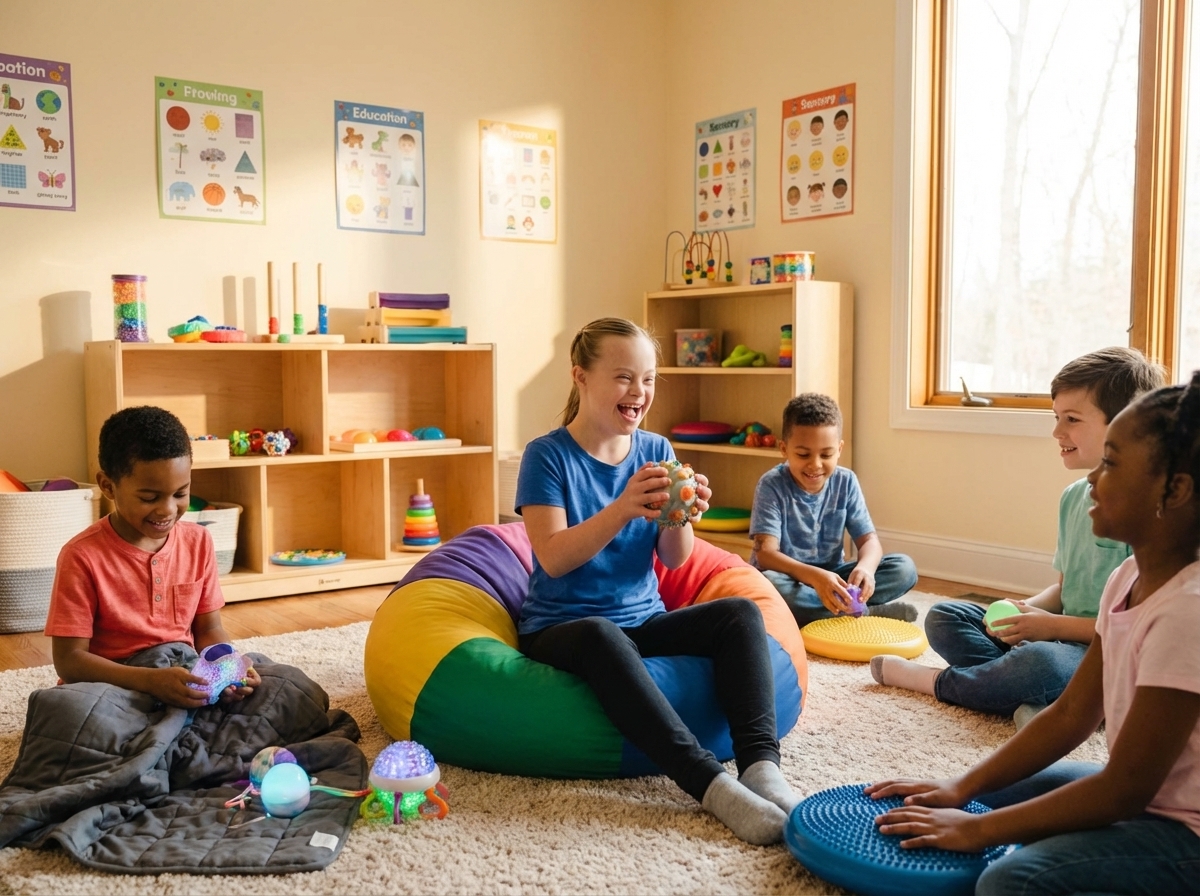
Now that you understand what to look for, let's explore some recommended tools that can offer real support for your child.
Calm & Focus Kit for Home and School
The Calm & Focus Kit is designed to help children who need support with focus and emotional regulation. This kit includes a variety of tools that work together to provide a calming environment, whether at home or school.
This kit offers 5 effective tools that support children by providing simple tools that can be used throughout the day. It's perfect for moments when they feel overwhelmed by their surroundings. The tools in this kit work together to promote self-regulation and emotional control.
Weighted Products for Deep Pressure
Weighted products are essential for providing deep pressure, which can help children feel calmer and more focused. These products, like blankets or vests, offer a reassuring weight that aids in relaxation.
-
Weighted Blanket: Great for bedtime to promote a restful sleep.
-
Weighted Vest: Helps during activities where focus is needed, like reading or homework time.
These products are especially beneficial for children who have trouble sitting still or need help with concentration. By using weighted products, you can offer your child a sense of security and calm that supports their daily activities.
Sensory Swings for Vestibular Input
Sensory swings are excellent for providing vestibular input, which helps with balance and coordination. These swings offer a fun and engaging way for children to explore movement and regulate their energy levels.
-
Compression Swing: Provides a cozy space for soothing and comfort.
-
Platform Swing: Encourages active play and helps with balance and core strength.
Swings can be a great addition to any sensory space, offering children the chance to unwind or energize depending on their needs. They support the development of motor skills and can be used as part of a daily routine to ensure balanced sensory input.
Each of these tools offers unique benefits that can make a real difference in your child's life. By incorporating these therapist-approved options, you can create a supportive environment that fosters growth and learning.
Choosing the right sensory tools doesn’t have to feel overwhelming. With the right guidance and therapist-informed products, you can support your child in feeling calm, focused, and confident.
Explore our therapist-approved sensory tools designed to support UAE families with real-life challenges at home, school, and beyond.